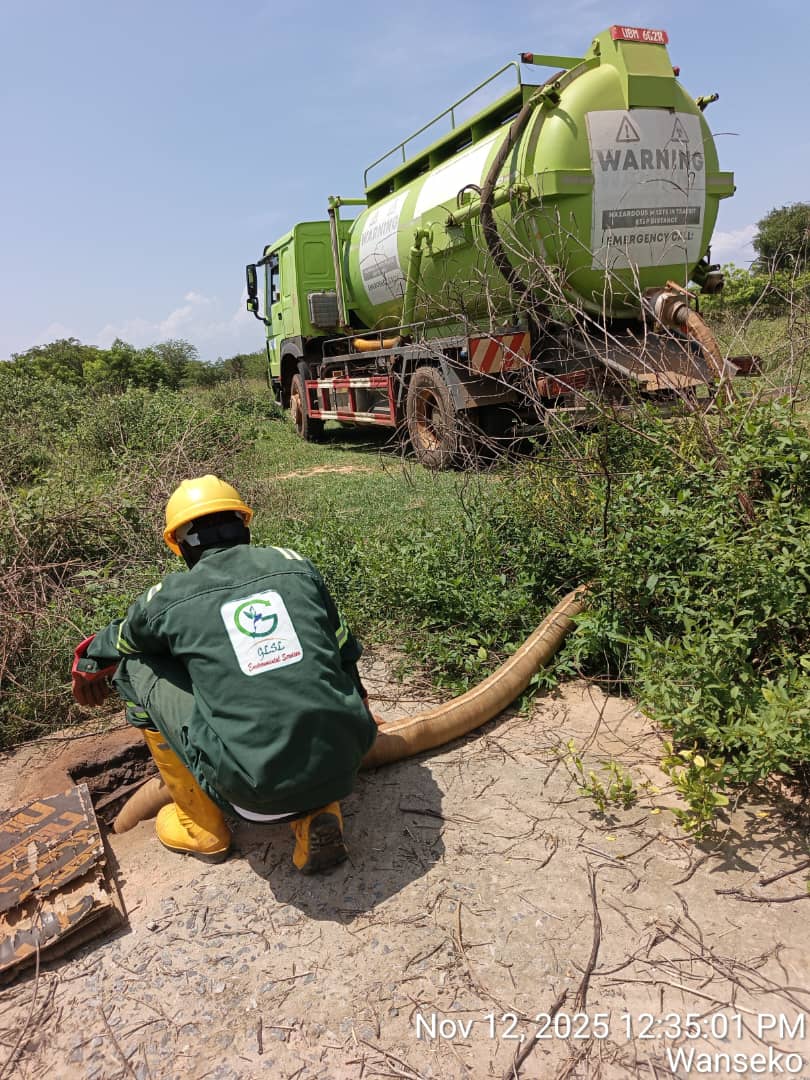
For oil and gas operators in Uganda and across East Africa, the real question is not whether a hydrocarbon spill will happen. It is whether they will be ready when it does. Spills can occur for many reasons, including equipment failure, human error, transport accidents, pipeline issues, or even extreme weather. What separates resilient operators from vulnerable ones is their level of preparedness.
Operators who invest in spill response readiness are able to act quickly, contain damage, and protect both the environment and their reputation. On the other hand, poor preparation often leads to prolonged environmental harm, rising cleanup costs, regulatory pressure, and strained relationships with communities and authorities.
Preparedness starts with a clear understanding of risk. Operators need to identify where spills are most likely to occur and what the potential impact would be in each case. This understanding shapes everything else, from the type of equipment required to the procedures and training that teams will rely on in an emergency.
Having the right equipment is essential, but it must also match the realities of the operation. A pipeline transporting crude oil requires a different response approach compared to a drilling site handling diesel. Equipment such as containment booms, absorbents, skimmers, vacuum tankers, and earthmoving machinery all play different roles depending on the situation. Just as important is ensuring that this equipment is well maintained and that teams know how to use it effectively. Equipment alone does not guarantee readiness. People and training make the difference.
Procedures are another critical element. A response plan should not simply exist as a document stored away. It needs to be understood, tested, and practiced regularly. Training exercises help teams build confidence and respond calmly under pressure. Whether through table top discussions or full scale simulations, these drills expose gaps and strengthen coordination across teams.
Communication is often overlooked, yet it plays a major role during an incident. In Uganda, operators are required to notify the National Environment Management Authority within specific timelines when significant spills occur. Internally, clear reporting lines are essential so that information flows quickly from the point of discovery to decision makers and external stakeholders. Delays or unclear communication can quickly escalate an already serious situation.
Once a spill has been contained, the focus shifts to remediation. Contaminated soil and water must be treated to meet regulatory standards before closure can be achieved. The approach taken depends on the nature of the spill and the environment affected. Solutions may include bioremediation, soil washing, excavation, or a combination of methods. Careful monitoring and verification are required to ensure that the site is fully restored.
At Green Label Services Ltd, we support oil and gas operators across Uganda and the wider East African region with comprehensive spill response and remediation solutions. Our services include preparedness planning, equipment supply and maintenance, team training, emergency response, and post incident cleanup. We also offer retainer based agreements for clients who need guaranteed response times and immediate support when it matters most.
Preparedness is not just a regulatory requirement. It is a strategic investment in protecting your operations, your reputation, and the environment. The time to prepare is before an incident occurs.